Best SEO Company for Real Estate Agents
Zillow gets 75 million monthly visitors. Realtor.com gets 19% of all real estate search traffic. And you? You're paying $200+ per lead from portals that send the same buyer to three other agents. Meanwhile, the big sites rank for 'homes for sale in [your city]' while you become just another face in their agent directory. There's another way. The agents winning right now aren't fighting Zillow—they're outflanking it with hyper-local content the portals can't replicate.

Your marketing budget every time you buy another $200 portal lead
The Portal Trap Most Agents Are Stuck In
Let me paint a picture you probably recognize. You're paying Zillow Premier Agent $1,000+ per month. The leads come in. But they're also going to two or three other agents who share your zip code. It becomes a race to see who can respond first. And even when you win that race? The "lead" is often just someone browsing who put in their info because the site made them.
Here are the numbers that should make you uncomfortable: Zillow captures 44% of all real estate search traffic. Realtor.com gets 19%. Redfin gets 15%. That's 78% of all online home searches going to three companies who then charge you to access those buyers.
Zillow Flex takes 25-40% of your commission at closing. Premier Agent leads cost $139-223 on average, and $450+ in competitive markets. You're not building anything. You're renting access to buyers who could disappear tomorrow if you stop paying.
The agents breaking free from this cycle are the ones building their own search presence. Neighborhood pages. Local content. Personal brand SEO. Assets they own, generating leads they don't have to share.
Real Estate Agent SEO at a Glance
Time to Results
4-8 months
Competition Level
Very High (local)
Local SEO Priority
CRITICAL (10/10)
Typical Results
150+ leads/month
Lead to Client Rate
12% conversion
Agent Rating
4.9 stars average
ROI Timeline
1 deal covers 6+ months
What is Real Estate Agent SEO?
Real estate agent SEO is the practice of optimizing a realtor's website and online presence to rank higher in search results when homebuyers and sellers search for agents, listings, or neighborhood information. It combines local search optimization, content marketing, IDX integration, and personal brand building to generate qualified leads without paying for every click.
When someone searches "best realtor in Frisco TX" or "homes for sale in Lakewood Dallas," your SEO determines whether they find you or your competitors. That simple.
Show up? You have a shot at the listing. Don't show up? They never knew you existed. Strong search visibility means buyers and sellers finding you instead of you chasing them.
Real estate SEO is different from regular SEO. You're dealing with IDX platforms that create duplicate content nightmares. You're competing against Zillow, Realtor.com, and Redfin with billion-dollar budgets.
You need to understand neighborhood farming, the buyer vs. seller keyword split, and how to build your personal brand in a market where portals dominate generic searches. It's a different game entirely.
Key Real Estate SEO Statistics
- →97% of homebuyers use the internet during their home search
- →44% of buyers start by looking online for properties
- →The top 3 Google results capture 54.4% of all clicks
- →73% of homeowners contact only one agent before listing
Why Real Estate Agents Need SEO in 2026

I'm going to tell you something you probably already know but don't want to hear: the way people find real estate agents has fundamentally changed.
Open houses? Still matter. Referrals? Absolutely gold. But before any of that happens, buyers and sellers are Googling. They're researching neighborhoods at midnight. Reading reviews while waiting in the school pickup line. If you don't show up during that research phase, you're not even a candidate.
The Modern Home Search Journey
Before contacting an agent, today's homebuyers have already:
- 1.Browsed Zillow, Redfin, and Realtor.com for months (sometimes years)
- 2.Searched Google for neighborhoods, schools, and market trends
- 3.Read agent reviews on Google and Zillow (and eliminated agents with low ratings)
- 4.Watched YouTube neighborhood tours and market update videos
- 5.Made a mental shortlist of 1-2 agents to contact
If your website is invisible during this research phase, you're not on that shortlist. Period. You might be the best agent in your market. Doesn't matter if nobody finds you.
SEO puts you in front of people when they're actively searching. That's a completely different dynamic than cold calling or door knocking. These are warm leads who came looking for help.
The ROI of Real Estate SEO
Let me put this in terms that actually matter. What's one closed deal worth to you? $8,000? $12,000? $25,000 on a luxury listing?
Now imagine one extra closing per month from people who found you through Google. You do the math.
Here's what makes SEO different from paid ads: you're building an asset. Every neighborhood page keeps working for you. That Highland Park guide you write in February? It generates leads in October. And then again next October. You're not renting attention like you do with portal leads. You're building equity in your online presence.
Ready to Dominate Your Farm Area?
See how real estate SEO can fill your pipeline with qualified buyers and sellers.
Get a Free SEO Audit →AI Search & Home Buyers: The New Reality

Here's a stat that should get your attention: 82% of Americans now use AI for housing market information. Not "might use" or "are considering." Already using. Right now. ChatGPT (67%) and Gemini (54%) lead the pack according to Realtor.com's 2025 survey.
In October 2025, Zillow became the first real estate platform fully integrated inside ChatGPT. A buyer can now type "show me 3-bedroom homes in Frisco under $600K with good schools nearby" and get live listings, photos, maps, and tour scheduling. All without ever visiting a traditional search engine. If your content isn't part of this conversation, you're invisible to an entire generation of home shoppers.
How Buyers Actually Use AI for Home Searches
Forget the old funnel. Buyers are now starting their journey with AI conversations, not Google searches. They're asking questions they'd be embarrassed to ask an agent. They're comparing cities at 11pm. They're getting mortgage pre-qualification estimates from AI tools like Afordal that search by actual monthly payment, not just price.
Real Questions Buyers Ask AI
- →Neighborhood Research: "What are the safest neighborhoods in Houston for families with kids under 10?"
- →City Comparisons: "Compare Austin vs Dallas for a tech worker relocating from San Francisco. Factor in cost of living, taxes, and commute."
- →School District Deep Dives: "Rank the top 5 school districts in Collin County by test scores and extracurricular programs."
- →Financial Questions: "How much house can I afford on $150K salary in Texas? Include property taxes."
- →Home Valuations: "What's my home worth at 1234 Oak Street, Plano TX? Compare to recent sales."
- →Agent Discovery: "Find me a realtor who specializes in first-time buyers in The Woodlands"
The Zillow-ChatGPT Integration Changes Everything
Zillow's ChatGPT integration isn't just a search tool. It's a complete home buying assistant. Buyers can browse listings conversationally, schedule tours, get market analysis, and even get connected to agents. All through a chat interface. No scrolling through pages of results. No filtering and re-filtering.
And Zillow isn't alone. Realtor.com and Homes.com have both launched AI-powered search features. Homes.com's Smart Search lets buyers describe their dream home in natural language instead of clicking filters. The entire discovery process is shifting.
GEO: Getting AI to Recommend You
Generative Engine Optimization (GEO) is about creating content that AI systems cite and recommend. When ChatGPT answers "best neighborhoods in Dallas for young families," it pulls from content across the web. If you have a detailed, genuinely helpful guide on family-friendly Dallas neighborhoods, your content becomes the source. If you don't? Someone else's does.
The good news buried in all this? Real estate agents are still the most trusted source of information. When the Realtor.com survey asked who made buyers "smarter" about the market, agents beat AI 62% to 61%. Agents were also rated the most accurate source. AI isn't replacing you. But it is changing how people find you. The agents who adapt their content strategy win. The ones who don't become invisible.

Neighborhood Page SEO Strategy
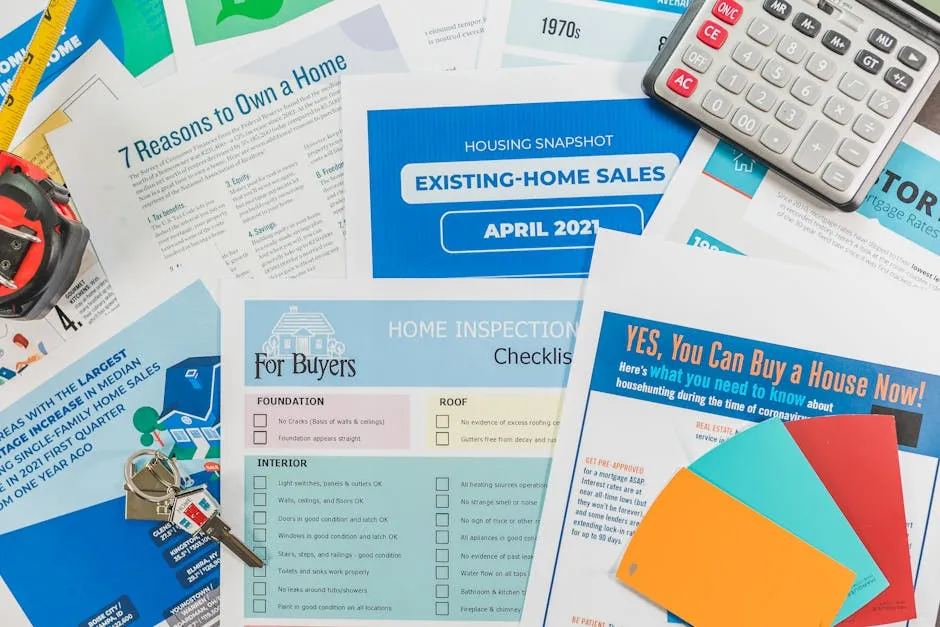
If I had to pick one thing that separates agents who win at SEO from those who struggle, it is neighborhood pages. These are not just listings with a zip code slapped on them. They are comprehensive guides to specific communities that answer every question a relocating buyer might have. Done right, they beat Zillow for hyper-local searches. And they convert way better than generic city pages because they speak directly to what buyers actually search for.
What Makes a Great Neighborhood Page
A high-converting neighborhood page includes more than just listings. Buyers want to understand the lifestyle, not just the houses.
Essential Neighborhood Page Elements
- →Area Overview: Location, boundaries, vibe, who lives there
- →Market Data: Average prices, price per sq ft, days on market, trends
- →Schools: Elementary, middle, high schools with ratings
- →Lifestyle Content: Restaurants, parks, shopping, entertainment
- →IDX Listings: Current homes for sale in that specific area
- →Your Expertise: Why you specialize in this area, sold listings, testimonials
How Many Neighborhood Pages Do You Need?
Depends on where you work. Suburban agent covering Frisco and the surrounding areas? You might need 20-30 pages for different subdivisions and communities. Urban agent focused on uptown Dallas? Maybe 10-15 distinct neighborhoods. The key is not quantity. One genuinely helpful, detailed neighborhood page beats ten thin, cookie-cutter pages every single time.
Start with your bread-and-butter neighborhoods. The areas where you close deals, know the quirks, can name the best coffee shop. Build those pages first. Then expand from there as you start ranking and getting traction. Each page should be at least 1,500 words of content that a relocating family would actually find useful. Not fluff. Real information.
IDX Integration & SEO
IDX is one of those things that sounds great in theory but creates SEO headaches in practice. Yes, you get to display MLS listings on your website. But here is the problem: so does every other agent with an IDX feed. Same listing data, same descriptions, same photos. Thousands of websites showing identical content. Google does not love that.
Common IDX SEO Mistakes
Indexing All Listings
Allowing Google to crawl every listing creates duplicate content with Zillow and other agents. You cannot win this fight.
Generic Search Pages
IDX search result pages with no unique content have zero SEO value and can dilute your site quality.
No Strategic Integration
Treating IDX as a separate section rather than integrating it with your neighborhood and content strategy.
IDX SEO Best Practices
Create Unique Landing Pages
Wrap IDX results in pages with unique neighborhood descriptions, market commentary, and your expertise.
Noindex Raw Search Results
Keep generic IDX search results out of Google's index while allowing your enhanced pages to rank.
Add Unique Value
Your listing descriptions, neighborhood insights, and market analysis make pages unique and valuable.
Internal Linking Strategy
Link from neighborhood pages to relevant IDX searches, and from blog content to specific property types.
Buyer vs. Seller Keyword Strategy
Real estate SEO requires targeting two distinct audiences with very different search behaviors. Understanding this split is crucial for building a balanced lead generation strategy.
Buyer Keywords
Higher volume, lower intent, longer sales cycle
- • homes for sale in [area]
- • [neighborhood] real estate
- • best neighborhoods in [city]
- • moving to [city]
- • [city] school districts
- • first time home buyer [city]
Seller Keywords
Lower volume, higher intent, bigger commissions
- • how much is my home worth
- • sell my house in [city]
- • best realtor to sell home [area]
- • [city] home values
- • listing agent [neighborhood]
- • how to sell home fast
Building a Balanced Strategy
Most agents default to buyer keywords because the search volume is higher and the content is easier to create. But seller keywords often have better ROI because sellers convert faster and listings generate more listings through sign calls and open houses.
A smart strategy targets both: neighborhood pages capture buyers, while market report content and home valuation pages attract sellers. Your website should have clear paths for both audiences with appropriate calls to action.
Personal Brand SEO for Real Estate Agents
In real estate, you are the product. Buyers and sellers hire agents they know, like, and trust. Personal brand SEO ensures that when someone searches your name, they find a professional, trustworthy presence that reinforces your expertise.
Controlling Your Name Search Results
When potential clients Google your name, what do they find? The top results should include:
- →Your website (with optimized title and meta description)
- →Your Zillow agent profile (with strong reviews)
- →Your LinkedIn profile (professional and complete)
- →Your Google Business Profile
- →Social media profiles (consistent branding)
Building Authority Through Content
Beyond controlling name searches, personal brand SEO means becoming the recognized expert in your market. This happens through consistent content creation: market updates, neighborhood spotlights, home buying tips, and local event coverage. Over time, Google recognizes you as an authority and rewards your content with better rankings.
Zillow, Realtor.com & Portal Optimization
The real estate portals are not going away. Zillow alone receives over 200 million monthly visitors. Instead of fighting them, smart agents optimize their presence on these platforms while building their own SEO asset.
Zillow Profile Optimization
- →Complete Profile: Every field filled out, professional photo, video introduction
- →Reviews Strategy: Consistent flow of client reviews (aim for new reviews monthly)
- →Specializations: List specific neighborhoods and property types
- →Past Sales: Ensure your transaction history is accurate and complete
- →Response Time: Quick responses to inquiries improve your ranking in portal algorithms
The Portal-Plus Strategy
Portals are great for leads, but you do not own that traffic. Every lead costs money (directly or through referral fees), and you are competing with other agents on the same platform. Your own website with strong SEO captures leads you actually own, building long-term equity.
The winning combination: optimize your portal profiles to capture portal traffic, while simultaneously building your own search presence for leads that come directly to you. Over time, shift more effort toward owned channels.
Local Market Content Strategy
Content is the engine of real estate SEO. But not just any content. The content that ranks and converts demonstrates genuine local expertise while answering questions your ideal clients actually ask.
Content Types That Work for Real Estate
Monthly Market Reports
Local market stats, trends, and your expert analysis. Great for seller SEO and establishing authority.
Neighborhood Guides
Deep dives into specific communities covering lifestyle, schools, amenities, and real estate trends.
Relocation Guides
"Moving to [City]" comprehensive guides capture relocation traffic from out-of-state buyers.
First-Time Buyer Content
Educational content for new buyers establishes trust and captures early-stage searches.
Local Event Coverage
Community events, new restaurant openings, local news. Shows you are genuinely connected to the area.
Video Content for YouTube
Neighborhood tours, market updates, and home tips. YouTube is the second largest search engine.
The most successful real estate agents publish consistently. Whether it is weekly blog posts, monthly market reports, or regular YouTube videos, consistency builds authority over time. Search engines reward websites that regularly add fresh, valuable content.
Real Estate SEO Investment: What Shapes Your Strategy
Every real estate professional has a different situation. A solo agent farming one suburb has completely different needs than a brokerage covering an entire metro. That's why we build custom strategies rather than offering one-size-fits-all packages.
Here are the factors that shape your SEO investment:
Solo Agent vs. Team vs. Brokerage
Your business structure determines content volume, profile optimization needs, and strategy complexity.
- →Solo Agent: Personal brand focus, targeted farm area
- →Team: Multiple agent profiles, broader coverage
- →Brokerage: Multi-location strategy, agent training
Market Competition Level
Ranking in Dallas requires different effort than ranking in a smaller Texas city.
- →Major Metro: DFW, Houston, Austin - higher competition
- →Secondary Market: San Antonio, El Paso - moderate competition
- →Smaller Markets: Faster wins, lower investment needed
Geographic Coverage
How many neighborhoods and areas you want to dominate affects content needs.
- →Focused Farm: 5-10 neighborhoods, deep expertise
- →Broader Coverage: 20-40 neighborhoods across suburbs
- →Metro-Wide: 50+ areas, comprehensive coverage
Current Volume & Growth Goals
Your transaction goals and timeline shape how aggressively we pursue rankings.
- →Steady Growth: Building foundation for long-term
- →Aggressive Growth: Faster content, more resources
- →Market Dominance: Full-scale competitive strategy
The Portal Comparison
Here's the math nobody at Zillow wants you to do. Portal leads are shared with multiple agents and come with referral fees or commission splits. Those costs add up fast, and you're not building anything you own.
SEO builds equity. Every neighborhood page, every blog post, every optimized listing stays yours. After 12 months, you have an asset generating leads. Stop paying portals, and your leads stop immediately. Stop paying for SEO after building your foundation, and that content keeps working.
The ROI Reality
Real estate has favorable SEO math. One additional closing from search visibility can cover months of SEO investment. Two closings per quarter from organic traffic? That's where the compounding really kicks in. And the content keeps working year after year.
Most agents see their first SEO-attributed closing within 6-9 months. The neighborhood page you write in February generates leads in October. And then again next October.
Let's Build Your Custom Strategy
Every agent's situation is different. In a free 30-minute strategy call, we'll assess your market, competition, and goals to determine exactly what it takes to dominate your farm area.
- ✓Competitive analysis of your target neighborhoods
- ✓Current website SEO audit
- ✓Custom strategy recommendations
- ✓Clear pricing based on your specific needs

Real Estate SEO for Texas Markets
Texas added more residents than any other state last year. Again. DFW grew by 178,000 people. Houston added 198,000. Austin added 58,000. These aren't just numbers. They're families Googling "best neighborhoods in Frisco" and "moving to The Woodlands from California" before they ever set foot in the state.
The Texas Real Estate Research Center projects prices stabilizing fully by mid-2026 with 1-2% modest appreciation. Translation: it's a normalized market. Not the frenzy of 2021, not the correction of 2023. A real market where agents who do the work win.
Market-by-Market Breakdown
Dallas-Fort Worth: The Corporate Relocation Capital
Median Price
$439,999
Inventory
30,921 active listings
Months of Supply
3.4 months
The long-term powerhouse. Over 120 corporate relocations in the last five years. Strong job growth in professional services, healthcare, and construction. Frisco, McKinney, and Prosper are hot spots for relocation buyers with families.
SEO Opportunity: Relocation content targeting out-of-state buyers, corporate relocation guides, school district comparisons for Collin and Denton counties.
Houston: The Entry-Level Market Leader
Median Price
$335,000
Inventory
34,676 active listings
Months of Supply
4.3 months
Second-largest new-home market nationally. Most diverse population in Texas. Massive master-planned communities like The Woodlands, Katy, and Sugar Land. The entry-level market ($200-350K) is particularly active with first-time buyers.
SEO Opportunity: First-time buyer content, master-planned community guides, energy sector relocation content, flood zone education (a constant Houston search).
Austin: The Tech Hub Normalizing
Median Price
$435,000
2025 Price Change
-2.4% from 2024
Price Cut Rate
53.4% of listings
The pandemic boom created the biggest run-up and correction. Now it's a buyer's market for the first time in a decade. Over half of listings taking price cuts. Agents who dominate search NOW position for the eventual rebound.
SEO Opportunity: Tech relocation content (Tesla, Apple, Oracle workers), "Austin market correction" content that captures nervous buyers, luxury neighborhood guides for West Lake Hills and Tarrytown.
San Antonio: The Affordability Play
Median Price
$264,900
Inventory
15,527 active listings
Days on Market
81 days
The most accessible major Texas metro. Military (five bases), healthcare, and tourism drive steady growth. Lower price points mean first-time buyers can actually afford homes. Less SEO competition than DFW or Houston means faster wins.
SEO Opportunity: Military relocation content, VA loan guides, "priced out of Austin" content targeting buyers looking at San Antonio as an alternative.
Texas Property Tax Content: An SEO Goldmine
Here's something most agents miss: out-of-state buyers are shocked by Texas property taxes. They come from states with income tax and 1% property tax rates. Then they learn Texas averages 1.6-2.5% depending on county, with no income tax offset for some.
That creates a content opportunity. Searches like "Texas property tax calculator," "property taxes in Collin County," and "Texas property tax exemptions" get thousands of monthly searches. The agent who explains this clearly, with actual county-by-county numbers, captures relocation buyers at the research stage.
Winning Content for Texas Agents
- →California to Texas Relocation Guides: Cost of living comparisons, tax savings calculators, neighborhood matches (where Bay Area people land vs LA vs San Diego)
- →School District Deep Dives: Parents search this obsessively. Cover test scores, programs, boundaries, and which neighborhoods feed to which schools.
- →Corporate Relocation Packages: Content for HR managers and relocating employees. Neighborhood guides near major employers.
- →New Construction vs Resale: Texas has massive new construction. Explain the tradeoffs, builder reputations, warranty issues.
- →HOA and MUD Tax Explanations: Another shock for out-of-state buyers. Clear explanations build trust and capture searches.

Results Timeline & What to Expect
Real estate SEO is a long-term investment. Here is a realistic timeline for what to expect:
Months 1-2: Foundation
Technical audit, keyword research, site structure optimization. Setting up Google Business Profile, fixing technical issues.
Months 3-4: Content Build
Neighborhood pages going live, blog content publishing, initial ranking movements for long-tail keywords.
Months 4-6: Traction
Rankings climbing for target neighborhoods, organic traffic increasing, first leads coming through search.
Months 6-8: Momentum
Local Pack visibility improving, consistent lead flow, authority building through content and reviews.
Months 8-12+: Dominance
Top rankings for core neighborhoods, strong personal brand presence, compounding returns on content investment.
Timelines vary based on your starting point, market competition, and how aggressively you pursue the strategy. Agents in smaller markets or with niche specializations often see faster results. Major metro markets with established competitors take longer but have bigger upside.
Ready to Become the Go-To Agent in Your Market?
Schedule a free consultation to see how realtor SEO can transform your lead generation.
Schedule Free Consultation →Frequently Asked Questions
What is real estate SEO and why do agents need it?▼
Real estate SEO is search engine optimization specifically designed for realtors, agents, and brokerages. It helps you appear when homebuyers and sellers search for agents in your area. With 97% of homebuyers using the internet during their home search, SEO determines whether prospects find you or your competitors.
How long does it take to see results from realtor SEO?▼
Most real estate agents see initial improvements in 3-4 months, with significant results at 4-8 months. Competitive markets like major metros may take longer. The timeline depends on your current website authority, how many established agents you are competing against, and whether you already have neighborhood pages or need to build from scratch.
Can I outrank Zillow and Realtor.com in search results?▼
Yes, but strategically. You probably cannot outrank Zillow for generic terms like "homes for sale in Dallas." However, you absolutely can outrank them for long-tail searches like "best realtor for first-time buyers in Plano" or "luxury homes in Highland Park specialist." Local expertise and personal brand content creates opportunities the big portals cannot replicate.
What are neighborhood pages and why do they matter for real estate SEO?▼
Neighborhood pages are dedicated landing pages for each community, subdivision, or area you serve. They target searches like "homes for sale in [neighborhood]" and "moving to [neighborhood]." These pages establish local expertise, capture long-tail traffic, and convert better because they speak directly to what buyers are searching for.
How does IDX integration affect my SEO?▼
IDX (Internet Data Exchange) lets you display MLS listings on your website. However, standard IDX implementations often create duplicate content issues since every agent shows the same listings. Proper IDX SEO involves unique neighborhood descriptions, custom search pages, and strategic internal linking to turn IDX from an SEO liability into an asset.
Should I focus on buyer keywords or seller keywords?▼
Both, but prioritize based on your business goals. Buyer keywords have higher search volume ("homes for sale in Austin") but lower intent. Seller keywords have lower volume ("how much is my home worth in Austin") but higher conversion rates and typically larger commissions. A balanced strategy captures both audiences at different stages.
How important are Google reviews for real estate agent SEO?▼
Extremely important. Reviews directly impact your Local Pack rankings (the map results), and 84% of people trust online reviews as much as personal recommendations. Real estate is relationship-driven, so reviews from past clients carry significant weight. Aim for a consistent flow of reviews rather than occasional bursts.
What is the best SEO company for real estate agents?▼
The best realtor SEO company understands both search engine optimization and the unique aspects of real estate marketing: seasonal trends, neighborhood expertise, IDX challenges, NAR compliance, and the competitive landscape with Zillow and other portals. Look for case studies with real estate clients and strategies specific to agent websites.
How do I compete with teams and brokerages that have bigger budgets?▼
Focus on hyper-local content that big teams cannot scale to. A solo agent who creates 50 detailed neighborhood pages for their farm area will outrank a large brokerage with generic city-wide content. Personal brand, local expertise, and niche specialization (first-time buyers, luxury, relocation) level the playing field.
Does social media help with real estate SEO?▼
Social media does not directly impact Google rankings, but it supports SEO indirectly. Your YouTube videos can rank in search results. Social proof and brand recognition increase click-through rates. Content shared socially can earn backlinks. Think of social media as a complement to SEO, not a replacement.
What content should real estate agents create for SEO?▼
Focus on: neighborhood guides (schools, restaurants, lifestyle), market reports (monthly stats, trends), buyer and seller guides, relocation content, FAQ pages answering common questions, and video content for YouTube SEO. The goal is demonstrating local expertise while targeting searches your ideal clients make.
How much does real estate agent SEO cost?▼
Investment varies based on several factors: whether you are a solo agent, team, or brokerage; your market competition level; geographic coverage area; and current listing volume. Rather than one-size-fits-all pricing, we build custom strategies based on your specific situation. The best way to get accurate pricing is to schedule a free strategy call where we can assess your market, competition, and goals.
Related Resources

Written by
Sep Gaspari
Founder & Digital Marketing Strategist, Zio Advertising | Kelowna, BC
15+ years in digital marketing, Google Ads, and SEO. I've helped businesses across 12+ industries generate qualified leads and grow revenue through data-driven strategies. I don't just run campaigns—I obsess over results, test relentlessly, and treat your budget like it's my own.
Connect on LinkedIn→Ready to Generate More Listings and Buyers?
Your competitors are investing in SEO. Every day you wait, they are building authority in your farm area. Let us help you catch up and surpass them.