
Here's the brutal math of industrial manufacturing: your average contract is worth $50,000 to $5 million. Your sales cycle drags on for 6-18 months. You're competing against manufacturers who've been in business since your grandfather was in diapers.
And right now, a procurement manager at a Fortune 500 is searching for exactly what you make. AS9100 certified precision machining. Custom hydraulic components. Specialty alloy fabrication. Whatever your thing is.
Your competitor shows up on page 1. You're buried somewhere on page 4—if you show up at all. That RFQ worth six figures annually? Gone. Not because your quality is worse. Not because your lead times are longer. Because Google never told them you exist. In manufacturing, invisible means dead.
Best SEO Company for Manufacturers
Your next major contract is one search away. 67% of industrial buyers start their purchasing journey on Google. If your manufacturing company isn't ranking for your products and capabilities, you're handing deals to competitors on a silver platter.


Your competitors watching their organic leads roll in while you're still "thinking about SEO"
Manufacturing SEO at a Glance
Time to Results
6-12 months
Competition Level
Moderate-High
Local SEO Priority
Medium (national focus)
Typical Results
220% MQL increase
What is Manufacturing SEO?
Manufacturing SEO is the practice of optimizing an industrial company's website and digital presence to rank higher in search results for industrial product and service searches. It combines technical website optimization, product page SEO, content marketing, and industry directory strategies—all tailored for the complex, long-cycle nature of industrial purchasing decisions.
When a procurement manager searches "precision CNC machining services" or an engineer looks up "high-temperature gasket materials," manufacturing SEO determines who shows up first. Showing up first isn't a nice-to-have—it's the difference between machines running and machines sitting idle.
This isn't like consumer SEO where you're trying to sell sneakers. Industrial SEO requires understanding technical products inside and out—engineering terminology, buying committees with six different stakeholders, sales cycles that can drag on for a year or more. Your content has to speak to the engineer comparing tolerances AND the procurement manager comparing quotes. Miss either audience and you lose the deal.
Key Manufacturing SEO Statistics
- →67% of industrial buyers start their purchasing journey with a web search
- →71% of industrial researchers begin with generic searches, not brand names
- →Industrial buyers complete 57% of their research before contacting sales
- →89% of industrial buyers use the internet during their research process
Why Manufacturers Need SEO in 2026

Look, trade shows still matter. We're not saying cancel your IMTS booth. But let's be real: trade shows happen once a year. Cold calling? Most people don't even answer unknown numbers anymore. Your website, though—that's working 24/7. It's taking meetings at 2 AM when a night-shift engineer in Germany needs to source a critical component. For most industrial buyers today, Google is where the relationship starts, whether you like it or not.
The Industrial Buyer Journey Has Shifted
Before requesting a quote, today's industrial buyers have already:
- 1.Searched Google for their product or capability requirements
- 2.Downloaded spec sheets from 3-5 potential suppliers
- 3.Reviewed technical content and case studies
- 4.Checked industry directories and certifications
- 5.Made a shortlist of suppliers to contact for RFQs
If your company isn't showing up in those early searches, you're not even in the running. By the time a buyer picks up the phone, they've already decided who they want to talk to. SEO gets you on that shortlist.
The ROI of Manufacturing SEO
Let's talk numbers. A single industrial contract might be worth hundreds of thousands of dollars. Land an OEM relationship and you're looking at years of recurring orders. Get spec'd in by a design engineer early in their product development? That's business locked up before your competitors even knew there was an opportunity.
When one contract can pay for a decade of marketing investment, the question changes. It's not "can we afford SEO?"—it's "can we afford to keep watching competitors capture every inbound inquiry while we wait for the next trade show?"
Ready to Generate More Qualified Leads?
See how manufacturing SEO can fill your sales pipeline with purchase-ready buyers.
Get a Free SEO Audit →AI Search & Industrial Buyers
Here's something that should keep you up at night: engineers are already asking ChatGPT for component recommendations. Procurement managers are using AI assistants to build vendor shortlists. The rules of discovery are changing fast, and most manufacturers haven't noticed yet.
We're not talking about some distant future. This is happening now. A 2025 Gartner study found that 43% of procurement professionals have used AI tools to research potential suppliers. That number will only grow.
How Procurement Managers Use AI for Vendor Research
Think about how a procurement manager used to work. They'd call up ThomasNet, flip through catalogs, maybe ask a colleague for a referral. Now? They open Claude or ChatGPT and type: "Find me 5 suppliers who can machine Inconel 718 to +/- 0.0005 inch tolerance with NADCAP certification and lead times under 6 weeks."
The AI scours the internet for this information. It pulls from your website—if your website actually has this information in a format it can understand. If your spec sheets are buried in PDFs that AI can't read, if your capabilities aren't explicitly stated on your pages, if your certifications aren't prominently displayed—you don't get mentioned. Simple as that.
Real AI Queries Industrial Buyers Are Using
- →Specification Queries: "Find suppliers who can machine Inconel 718 to +/- 0.0005" tolerance"
- →Certification Searches: "Which precision machine shops have both ISO 13485 and AS9100 certification?"
- →Application Research: "What materials work best for high-temperature exhaust manifold gaskets?"
- →Vendor Comparison: "Compare lead times and capabilities for custom gear manufacturing in the Midwest"
- →Cost Research: "What should I expect to pay for CNC prototyping of aluminum aerospace components?"
Generative Engine Optimization (GEO) for Manufacturers
GEO is the practice of optimizing your content so AI systems can find, understand, and cite it. For manufacturers, this means restructuring how you present technical information online.
Your spec sheets need to be in HTML, not just downloadable PDFs. Your capabilities need explicit statements: "We machine tolerances to +/- 0.0001 inches" not "extremely tight tolerances." Your certifications need dedicated pages with scope details, not just logos in the footer.
Technical Content That AI Can Parse
Specification Pages with Structured Data
Create dedicated pages for each material you work with, each tolerance range you can hit, each finish you offer. Use schema markup so AI understands this is factual product data.
Certification Documentation
Don't just list "AS9100 certified." Create a page explaining what your certification covers, when it was last audited, what processes it applies to. AI needs context to recommend you confidently.
Capability Statements in Plain Language
Write explicit capability statements that directly answer procurement questions. "We can machine parts up to 48 inches in diameter from most aerospace alloys with lead times starting at 3 weeks."
Application-Specific Content
Create content for specific applications: medical device components, oil and gas equipment, semiconductor manufacturing. AI often answers industry-specific queries.
Here's the good news: traditional SEO and GEO aren't separate strategies. The same detailed, authoritative content that ranks well in Google also gets cited by AI assistants. The difference is intentionality—you need to structure content with both human readers and AI parsing in mind.
The manufacturers who start optimizing for AI search now will have a massive head start. In 2-3 years, when this becomes standard practice, you'll already be the trusted source that AI systems recommend.
Industrial SEO Strategies That Actually Work
Forget the tricks. Forget the shortcuts. Industrial SEO that actually works is about building genuine authority—the kind that makes engineers trust your specs and procurement managers trust your quotes. Here's what moves the needle for manufacturers:
1. Product Category Content Clusters
Instead of one generic "products" page, create comprehensive content clusters covering every product category and application. Each page targets specific search queries—materials, specifications, applications, industries served—and links to related content, building topical authority in your specialty.
2. Technical E-E-A-T Signals
Google prioritizes Experience, Expertise, Authoritativeness, and Trustworthiness (E-E-A-T) for technical content. This means detailed product specifications, engineering credentials, certifications (ISO, AS9100, ITAR), case studies, technical white papers, and documented capabilities. Your engineering expertise must be visible and verifiable.
3. Technical SEO Foundation
Fast loading speeds, mobile optimization, secure HTTPS, proper schema markup, and clean site architecture. Manufacturing websites are often outdated, slow, and difficult to navigate—technical optimization alone can provide significant ranking improvements over competitors with legacy websites.
4. Long-Tail Keyword Targeting
Industrial searches are specific. "6061-T6 aluminum CNC machining" has lower volume than "CNC machining," but the searcher knows exactly what they need and is further along in the buying process. Targeting these long-tail technical keywords captures high-intent traffic from qualified buyers.
5. Multi-Stakeholder Content Strategy
Industrial purchases involve multiple decision-makers: engineers need technical specs, procurement needs pricing and lead times, executives need ROI justification. Your content strategy must address each stakeholder with appropriate content at their stage of the buying journey.
Technical Product Page SEO
This is where it gets real. For manufacturers, product and spec pages are your money pages. These aren't tire-kickers browsing casually—these are buyers who know exactly what they need and are actively comparing you against three other suppliers. Win these searches and you win the RFQ.
Product Page Optimization Essentials
- →Part Number Optimization: Include part numbers in titles, headers, and alt text—engineers search by part number
- →Specification Tables: Structured data with dimensions, materials, tolerances, and performance specs
- →Downloadable Spec Sheets: PDFs and CAD files that capture leads and provide value
- →Application Examples: Real-world use cases showing your products in action
- →Cross-Sell Linking: Related products, accessories, and complementary items
Schema Markup for Products
Implementing Product schema markup helps Google understand your offerings and can result in rich snippets showing ratings, availability, and pricing. Focus on Product, Offer, and Organization schema to establish credibility and provide key information directly in search results.
We've seen manufacturers increase organic traffic by 85% just by restructuring product pages with the technical specs engineers actually search for. No magic. No tricks. Just thinking like your buyer. What exact phrase would an engineer type when they need what you sell? Start there.
Content Strategy for Manufacturers
Industrial content does double duty: it ranks in search AND it nurtures prospects through those painfully long sales cycles. The manufacturers who get this right create content that genuinely helps buyers make decisions. Not sales pitches disguised as blog posts—actual useful information that happens to position you as the obvious choice.
Types of Content That Work
Technical Guides & White Papers
In-depth resources on material selection, design considerations, and engineering best practices
Application Case Studies
Real projects showing how your products solved specific engineering challenges
Comparison & Selection Guides
Material comparisons, product selection matrices, and decision-making frameworks
Industry & Regulatory Content
Updates on standards, compliance requirements, and industry trends
Video & Visual Content
Facility tours, product demonstrations, and manufacturing process videos

Long Sales Cycle Content Nurturing
Industrial sales cycles can span 6-18 months. Your content strategy needs touchpoints throughout this journey: awareness-stage content for initial research, consideration-stage content for evaluation, and decision-stage content that closes the deal. Email nurture sequences, gated content, and retargeting work together to stay top-of-mind until the buyer is ready.
What Affects Your SEO Investment
Let's talk about the elephant in the room: what does this actually cost? The honest answer is that manufacturing SEO pricing varies significantly based on your specific situation. A job shop with 50 SKUs has different needs than a distributor with 15,000 product pages.
Rather than throwing out numbers that may not apply to you, we prefer to understand your business first. Here are the key factors that determine what an effective SEO strategy will require:
Product Catalog Size & Complexity
How many products, categories, and technical specifications need optimization? A company with 200 product pages needs different resources than one with 5,000. Do you have complex technical specs that need structured data? Multiple product lines serving different industries?
Geographic Reach
Are you targeting a regional market, competing nationally, or selling internationally? Local SEO for a Texas-focused manufacturer looks very different from a national strategy targeting procurement managers across all 50 states. International markets add language, localization, and country-specific search engine considerations.
Competitive Landscape
Are you competing against well-established players with decades of SEO investment, or targeting a niche where competition is thinner? Niche manufacturers often see faster results. Commodity manufacturers competing against dozens of established players need a longer runway.
Sales Cycle Length
Longer industrial sales cycles (12-18 months) require more touchpoints, nurturing content, and patience before seeing closed deals. Shorter cycles mean faster feedback loops and quicker ROI realization. Your typical deal size also matters—larger contracts justify more aggressive investment.
Current Website State
Does your site need a technical overhaul, or is it already solid? Legacy manufacturing websites often require significant foundational work before content optimization can take effect. Sites built in the last few years on modern platforms typically need less technical remediation.
Content & Authority Starting Point
Do you have existing technical content, case studies, and industry backlinks? Or are we starting from scratch? Manufacturers with some SEO foundation can build faster than those with a bare-bones brochure site.
The ROI Perspective
Here's how we think about manufacturing SEO investment: what's your average contract worth? For most industrial companies, a single new customer from organic search can justify the entire marketing budget.
We've seen single organic leads turn into multi-year OEM contracts. The question isn't whether you can afford SEO—it's whether you can afford to keep losing those opportunities to competitors who are investing.
Ready to Talk Numbers?
Schedule a strategy call and we'll give you a straight answer based on your specific situation—no vague "it depends" responses.
Schedule a Strategy Call →Industry Directory Optimization
Industrial directories like ThomasNet, GlobalSpec, and Kompass are where procurement managers go to find qualified suppliers. These directories rank for high-intent searches and can drive significant qualified traffic to your website.
Key Industrial Directories
- →ThomasNet: The largest industrial supplier directory with 500K+ suppliers
- →GlobalSpec: Engineering-focused platform with technical search capabilities
- →Kompass: International business directory with 43M+ companies listed
- →IndustryNet: Free industrial sourcing with buyer matching
- →MFG.com: Manufacturing marketplace connecting buyers and suppliers
Optimizing these profiles means complete information, accurate categorization, updated certifications, and consistent NAP (Name, Address, Phone) across all platforms. These directories also pass authority to your website—quality backlinks that strengthen your overall SEO.
LinkedIn & Social Integration
LinkedIn isn't just social media—it's where industrial decision-makers spend their professional time. Integrating LinkedIn with your SEO strategy creates multiple touchpoints throughout the long manufacturing sales cycle.
Content Repurposing
Transform blog posts and technical content into LinkedIn articles and posts
Thought Leadership
Position engineers and executives as industry experts through regular posting
Traffic Driving
Link LinkedIn content back to optimized landing pages and lead magnets
Retargeting
Use LinkedIn ads to stay visible to website visitors who aren't ready to buy yet
The combination of organic search visibility and active LinkedIn presence means you're everywhere your prospects are looking. When they search Google, they find your content. When they scroll LinkedIn, they see your thought leadership. This multi-channel presence accelerates trust-building in long industrial sales cycles.
How to Choose a Manufacturing SEO Agency
Real talk: most SEO agencies have no clue how industrial marketing works. They've optimized dentist websites and pizza shops. Manufacturing is a different animal entirely. Here's what to look for:
Industrial Experience
They should understand long sales cycles, technical products, and industrial buyer journeys
Measurable Case Studies
Real results with specific metrics—MQLs, SQLs, pipeline value, not just traffic
Technical Content Capability
Ability to create content that speaks to engineers, not just generic marketing copy
Transparent Reporting
Clear metrics, regular updates, and honest communication about what's working
Long-Term Strategic Thinking
Focus on business outcomes over 6-12 months, not quick wins that fade
Red flags? Any agency that guarantees specific rankings or promises overnight results. Also be suspicious if they never ask about your products, your customers, or what makes your machine shop different from the one down the street. Real manufacturing SEO requires understanding your specific capabilities and who you're trying to reach.
Results Timeline & What to Expect
We're not going to sugarcoat this: manufacturing SEO takes time. It's not a light switch. But the good news? It compounds. Here's what a realistic timeline looks like:
Months 1-3: Foundation
Technical fixes, content audit, keyword research, initial optimization. Early ranking movements for less competitive terms.
Months 3-6: Growth
Content publishing, product page optimization, directory listings. Traffic increases and initial leads begin.
Months 6-9: Momentum
Rankings climbing for competitive terms. MQL flow increasing. 4.2x sales cycle compression as buyers arrive pre-educated.
Months 9-12+: Scale
Top rankings for target keywords. 220% MQL increase. 85% MQL to SQL conversion. Compounding returns on content investment.
Your mileage will vary. If you're a niche manufacturer making specialized components that only a few others produce, you might see results faster. If you're competing against established players in a crowded category, plan for a longer runway. Either way, the investment pays off—it just requires patience.
Industrial SEO for Texas Manufacturers
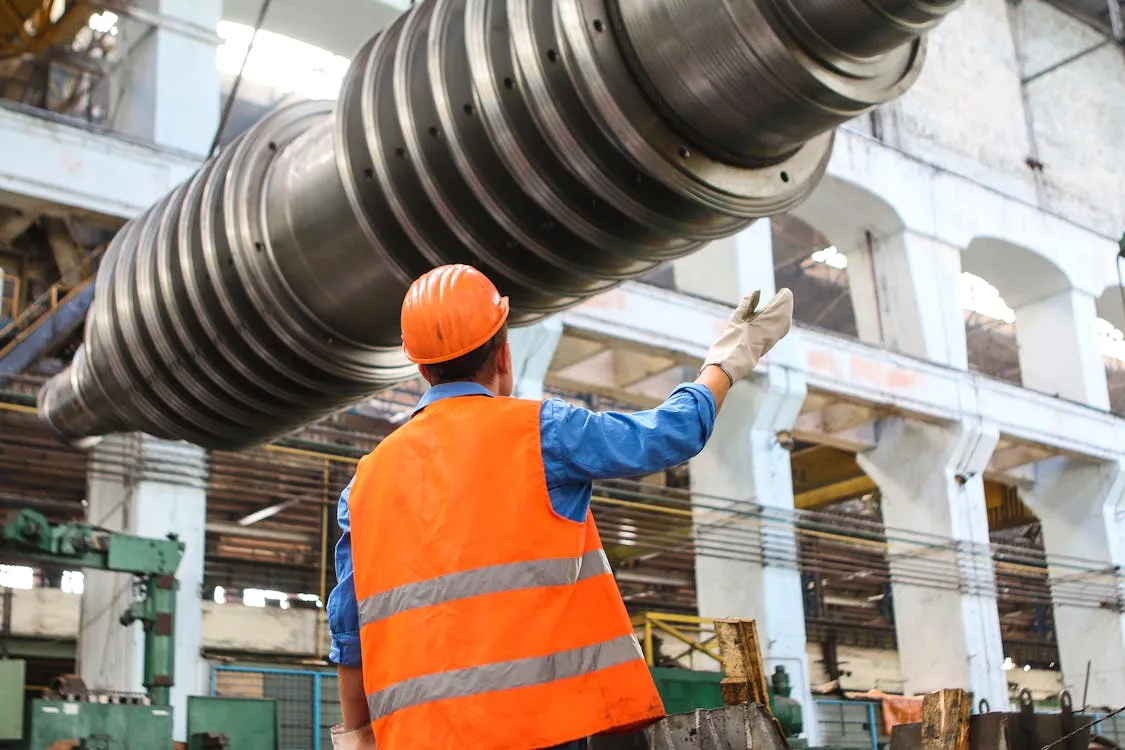
Texas isn't just big—it's become the manufacturing capital of America. The state added more manufacturing jobs than any other in 2024, and that trend isn't slowing down. If you're a Texas manufacturer not investing in SEO, you're leaving money on the table while out-of-state competitors eat your lunch.
Houston: Energy Capital of the World
The Houston metro area is home to over 4,600 energy-related companies and the largest petrochemical complex in North America. If you manufacture valves, pumps, drilling equipment, pipeline components, or anything related to oil and gas—your buyers are here. And they're searching.
We've helped Houston-area manufacturers rank for terms like "API 6A valve manufacturer," "subsea equipment fabrication," and "ASME pressure vessel fabrication Houston." These aren't vanity keywords—they're the exact phrases procurement managers type when they need what you sell.
Dallas-Fort Worth: Aerospace & Logistics Hub
DFW hosts more than 400 aerospace companies, including major players like Lockheed Martin, Bell, and Raytheon. The defense manufacturing ecosystem here is massive. If you supply aerospace components, defense equipment, or precision-machined parts for military applications, this is your market.
Plus, DFW's logistics infrastructure makes it a distribution hub for manufacturers serving national and international markets. Strategic location + SEO visibility = serious competitive advantage.
Why Texas Manufacturers Have a Built-In Advantage
- →No State Income Tax: Lower operating costs mean you can invest more in growth—including marketing. Your California competitors can't say that.
- →Texas Enterprise Fund: State incentives for manufacturers creating jobs. Use those savings to outmarket competitors in other states.
- →Gulf Coast Shipping: Port of Houston is the largest Gulf Coast port. Manufacturers with shipping advantages should highlight this in SEO content.
- →Foreign Trade Zones: Texas has more FTZs than any other state. If you're in one, that's a competitive advantage worth promoting.
- →Workforce Training Programs: Texas invests heavily in manufacturing workforce development. Use this in content to show you have access to skilled labor.
Texas Manufacturing Hubs We Serve
- →Houston: Petrochemical, energy equipment, oilfield services, industrial machinery, valve & pump manufacturers
- →Dallas-Fort Worth: Aerospace, defense, telecommunications, semiconductor manufacturing, logistics equipment
- →Austin: Semiconductors, electronics manufacturing, high-tech components, cleanroom equipment
- →San Antonio: Automotive supply chain, military equipment, food processing machinery, cybersecurity hardware
- →El Paso: Cross-border manufacturing, automotive components, electronics assembly, nearshoring operations
As a Texas-based agency, we understand the local manufacturing landscape. We know TMAC, we attend industry events, and we understand the specific challenges Texas manufacturers face—from competing with Mexican maquiladoras to navigating energy sector boom-bust cycles.
When you work with us, you're working with people who get Texas manufacturing culture. We can translate that into SEO strategies that actually resonate with your target buyers—whether they're down the road in Houston or across the country.
Let's Discuss Your Manufacturing SEO Strategy
Schedule a free consultation to see how we can help your company generate more qualified leads.
Schedule Free Consultation →Frequently Asked Questions
What is manufacturing SEO and why do industrial companies need it?▼
Manufacturing SEO is search engine optimization specifically designed for industrial and manufacturing companies. It helps your company appear when procurement managers, engineers, and decision-makers search for industrial products and suppliers. With 67% of industrial buyers starting their research with a search engine, SEO is essential for modern industrial lead generation.
How long does it take to see results from industrial SEO?▼
Manufacturing SEO typically shows initial improvements in 4-6 months, with significant results appearing at 6-12 months. Industrial sales cycles are longer, so while traffic may increase sooner, converting that traffic to qualified leads and closed deals takes time. The timeline depends on your current website authority, competition level, and how aggressively you pursue the strategy.
What makes manufacturing SEO different from regular SEO?▼
Industrial SEO requires understanding complex technical products, engineering terminology, long sales cycles, and multi-stakeholder buying committees. It also involves specialized strategies for industrial directories (ThomasNet, GlobalSpec), technical spec sheet optimization, and content that speaks to both engineers and procurement managers.
How much does manufacturing SEO cost?▼
Manufacturing SEO pricing varies based on several factors: your product catalog size (50 SKUs vs 5,000), competitive landscape, geographic reach (regional vs national vs international), and current website condition. Rather than publish one-size-fits-all numbers, we prefer to understand your specific situation first. Schedule a strategy call and we'll give you an honest assessment of what it would take to achieve your goals.
Should manufacturers do SEO in-house or hire an agency?▼
Most manufacturers benefit from agency partnership because industrial SEO requires specialized knowledge of both SEO best practices AND manufacturing industry dynamics. Agencies bring broader market perspective, proven strategies, and dedicated resources. Many companies do a hybrid approach: agency for strategy and execution, in-house for technical product knowledge.
What types of manufacturers benefit most from SEO?▼
All manufacturers benefit from SEO, but those with complex products and longer sales cycles see particularly strong ROI: precision machining, industrial equipment, OEM components, specialty materials, and custom fabrication. Niche manufacturers often have less competition and can achieve top rankings faster.
How do you measure manufacturing SEO success?▼
Key metrics include: organic traffic growth, keyword rankings for product categories, Marketing Qualified Leads (MQLs) from organic search, RFQ submissions, spec sheet downloads, and ultimately closed contracts. We track the full funnel from first visit to signed purchase order.
Is local SEO or national SEO more important for manufacturers?▼
For most manufacturers, national SEO takes priority since industrial buyers search for specific products rather than local suppliers. However, local SEO matters for companies targeting regional markets or those whose products involve significant shipping costs. A balanced approach typically works best.
How do product spec pages help SEO?▼
Technical specification pages are SEO gold for manufacturers. Engineers search for specific part numbers, dimensions, materials, and tolerances. Well-optimized spec pages capture high-intent searches from buyers who already know what they need and are ready to request quotes.
Can you guarantee first page rankings for industrial keywords?▼
No ethical SEO provider can guarantee specific rankings—Google's algorithm considers hundreds of factors beyond our control. What we can guarantee is implementing proven strategies, transparent reporting, and a track record of success. Be wary of agencies promising guaranteed rankings.
How does LinkedIn integrate with manufacturing SEO?▼
LinkedIn is where industrial decision-makers spend time. We integrate LinkedIn content strategy with SEO by repurposing blog content for LinkedIn, building author authority through thought leadership, and driving LinkedIn traffic to optimized landing pages. This creates multiple touchpoints throughout the long industrial sales cycle.
What is the best SEO company for manufacturers?▼
The best manufacturing SEO company understands both SEO fundamentals and the unique requirements of industrial marketing. Look for: manufacturing industry experience, case studies with measurable results, understanding of technical products, transparent reporting, and a strategic approach that aligns with long sales cycles. We specialize in industrial and manufacturing marketing.
Related Resources
Industrial Marketing Overview
Complete guide to digital marketing for manufacturers
SEO Services
Our full SEO service offerings
Google Ads for Industrial
Complement SEO with paid search for faster results
Industrial Marketing Insights
Industry-specific marketing strategies for manufacturers
Choosing a Manufacturing Marketing Agency
How to evaluate and hire the right marketing partner for manufacturing

Written by
Sep Gaspari
Founder & Digital Marketing Strategist, Zio Advertising | Kelowna, BC
15+ years in digital marketing, Google Ads, and SEO. I've helped businesses across 12+ industries generate qualified leads and grow revenue through data-driven strategies. I don't just run campaigns—I obsess over results, test relentlessly, and treat your budget like it's my own.
Connect on LinkedIn→Ready to Dominate Industrial Search Results?
Your competitors are investing in SEO. Don't let them capture the procurement managers and engineers searching for your products right now.