
Best SEO Company for Hotels & Hospitality
Every night, thousands of travelers are searching Google for hotels in your area. If they're finding your competitors—or worse, booking through OTAs that take 18-25% commission—you're leaving serious money on the table.
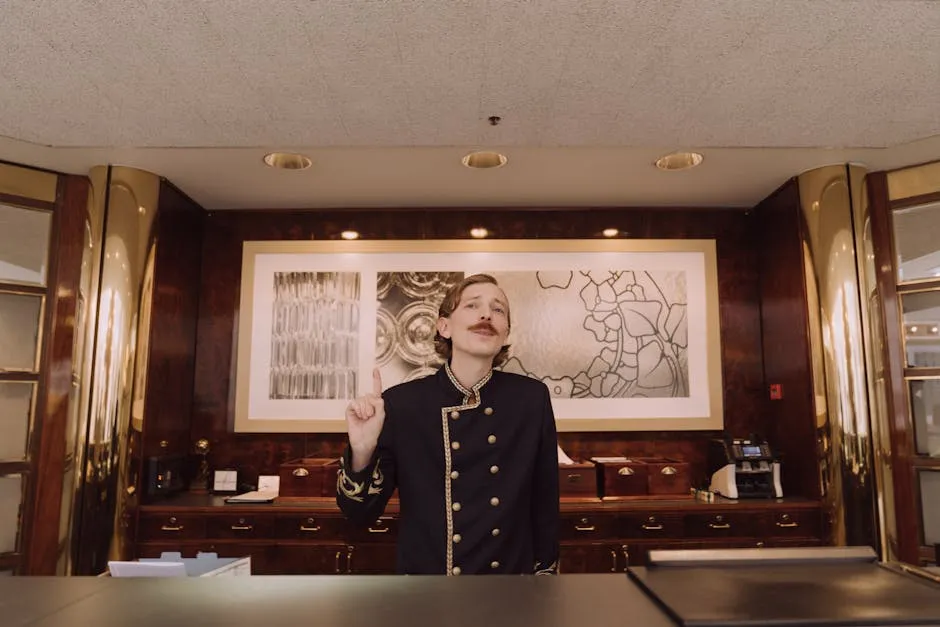
Booking.com just took another 15-25% off your revenue. Again.
A guest searched "boutique hotel downtown Austin," found you on Expedia, and booked through them. You handed over $45 on that $200 room night—for a guest who was already looking for you.
Multiply that by 50 rooms, 365 days. OTA commissions have climbed from 10% a few years ago to 15-30% today. Some properties are bleeding $100,000+ annually to middlemen who did nothing but intercept a Google search.
That's not marketing. That's a toll road you don't need to be on.
What if that same guest had found your website first? Same booking, zero commission. That's what hotel SEO does. It puts you in front of travelers before the OTAs get their hooks in—and keeps that commission in your pocket where it belongs.

Watching your revenue disappear to Booking.com and Expedia every month
Hotel SEO at a Glance
Time to Results
4-6 months
Competition Level
High
Local SEO Priority
Critical (10/10)
Typical Results
280% direct bookings
What is Hotel SEO?
Hotel SEO is the practice of optimizing a hotel's website and online presence to rank higher in search engine results when travelers search for accommodations. It encompasses technical optimization, local search strategies, content marketing, review management, and booking engine integration—all designed to increase direct bookings and reduce dependence on Online Travel Agencies (OTAs).
Think about the last time you searched for a place to stay. Maybe you typed "hotels near downtown Austin" or "beachfront resort Florida." What showed up first? Probably an OTA or a big chain. Hotel SEO is how you change that. It's how independent and boutique properties fight back against the Marriotts and Booking.coms of the world.
When you rank on page one, travelers find you directly. They book on your website. You keep the full room rate instead of handing over 18-25% to some middleman in a different state.
Unlike general SEO services, hotel SEO requires a specific playbook. You need to understand booking windows, seasonal demand spikes, how OTAs manipulate search results, and what makes a nervous traveler finally click "Book Now" instead of "Compare Prices."
Key Hotel SEO Statistics
- →65% of travelers start their hotel search on Google, not OTAs
- →Hotels lose 18-25% per booking to OTA commissions
- →76% of "near me" searches result in a visit within 24 hours
- →93% of travelers read reviews before booking accommodation
Why Hotels Need SEO in 2026

The hospitality industry is at a crossroads. OTAs have trained travelers to compare prices and book through their platforms. But here's what most hoteliers miss: Google has become the starting point, not the OTAs. Travelers search on Google first, then often end up on an OTA because the hotel's own website didn't show up—or didn't look trustworthy enough.
The True Cost of OTA Dependence
Let's talk numbers. If your hotel books $1 million annually through OTAs at a 20% commission rate, you're giving away $200,000. That's not a marketing expense—it's a tax on every room you sell.
OTA Commission Math
| Channel | Commission | $500K Revenue |
|---|---|---|
| Booking.com | 15-25% | $75K-$125K lost |
| Expedia | 18-25% | $90K-$125K lost |
| Hotels.com | 20-25% | $100K-$125K lost |
| Direct (via SEO) | 0% | $0 lost |
Every booking you shift from OTA to direct is pure margin recapture. A hotel that moves just 30% of its bookings to direct could save $60,000+ annually—money that can be reinvested in property improvements, staff, or marketing.
The Traveler Booking Journey
Today's travelers follow a predictable research pattern before booking:
- 1.Search Google for destination ideas or specific hotels
- 2.Read 3-5 hotel websites and compare options
- 3.Check reviews on Google, TripAdvisor, and OTA platforms
- 4.Compare prices across channels
- 5.Book where they found the best rate and easiest experience
If your hotel isn't visible in steps 1-3, you're not even in the consideration set—unless an OTA brings you there (and takes their cut).
Ready to Boost Direct Bookings?
See how hotel SEO can reduce your OTA dependency and increase profits.
Get a Free SEO Audit →AI Search & Hotel Bookings: The New Battleground

Here's something that should keep hotel marketers up at night: 42% of travelers already used AI tools like ChatGPT to plan their trips in 2025. That number is expected to hit 70% by the end of 2026.
Think about how this changes the game. A couple planning their Austin anniversary trip doesn't Google "romantic hotels Austin" anymore. They open ChatGPT and type: "We want a romantic boutique hotel near downtown Austin with a rooftop bar and walkable to restaurants. Budget around $300/night."
The AI spits out three recommendations. If your hotel isn't one of them, you never existed in that booking journey.
How AI "Sees" Hotels
AI assistants don't browse websites like humans. They synthesize information from structured data, reviews, and authoritative content. They need to categorize your property quickly: Is this a luxury resort or a budget motel? Family-friendly or adults-only? Near the airport or downtown?
Hotels with clear positioning, complete schema markup, and strong review signals get recommended. Hotels with vague descriptions and incomplete data get ignored.
How Hotels Get Recommended by AI
- →Structured data: Complete schema markup so AI can understand your property type, amenities, pricing, and location
- →Review signals: Strong ratings on Google, TripAdvisor, and OTAs directly influence AI recommendations
- →Clear positioning: AI needs to categorize you—boutique, luxury, budget, family-friendly, pet-friendly, etc.
- →Authoritative content: Destination guides and local expertise signal trustworthiness to AI systems
- →Rich snippets: Rates, availability, and amenities formatted for Google Hotel Finder integration
Google Hotel Finder & Rich Results
When someone searches "hotels in San Antonio," Google doesn't just show blue links. It shows a hotel finder module with photos, prices, ratings, and availability. If your hotel isn't optimized for these rich results, you're invisible in the most valuable search real estate.
The hotels appearing in Google Hotel Finder have proper hotel schema markup, verified Google Business Profiles, and pricing data flowing through authorized channels. This isn't optional anymore—it's table stakes.
GEO: Generative Engine Optimization
Traditional SEO optimizes for Google's search algorithm. GEO (Generative Engine Optimization) optimizes for AI assistants—ChatGPT, Google's AI Overviews, Perplexity, and voice search.
The tactics overlap, but there are key differences. AI tools prioritize clear, structured information, authoritative sources, and content that directly answers specific questions. They also heavily weight review sentiment and recency.
Expedia has already partnered with OpenAI to embed live hotel data directly into ChatGPT. Booking.com has its own AI integrations. When travelers ask these AI assistants for recommendations, they're getting instant, personalized suggestions—and if your hotel isn't part of that conversation, you're losing bookings to properties that are.
Voice Search for Hotels
"Hey Google, find me a pet-friendly hotel near the River Walk." Voice searches are conversational and specific. They use longer, more natural phrases than typed searches.
Hotels that optimize for these natural language queries—with comprehensive FAQs, detailed amenity pages, and location-specific content—capture this growing traffic source. The hotels winning in 2026 aren't just optimizing for Google's blue links. They're showing up everywhere travelers ask for recommendations.
Direct Booking SEO Strategy
The goal of hotel SEO isn't just traffic—it's direct bookings. Every element of your strategy should drive guests to book on your website, not an OTA. Here's how we approach it:
1. Brand Defense SEO
OTAs bid on your hotel name in Google Ads. When someone searches "Grand Hotel Austin," Booking.com often appears above your own website. Brand defense SEO ensures you own the organic results for your hotel name, reducing the impact of OTA paid ads.
Brand Defense Tactics
- • Optimize title tags and meta descriptions for branded searches
- • Create dedicated pages for hotel + amenity combinations
- • Build strong Google Business Profile presence
- • Earn featured snippets for branded queries
2. Amenity and Experience Keywords
Travelers don't just search for "hotels"—they search for specific experiences. "Hotels with rooftop pool Austin," "pet-friendly hotels downtown," "spa hotels Texas Hill Country." These specific searches convert at higher rates because the traveler has clear intent.
3. Booking Engine Optimization
Your booking engine needs to be fast, mobile-friendly, and as simple as OTAs. If guests have to fill out 17 fields or create an account, they'll abandon and book on Expedia. We optimize the booking flow to minimize friction and maximize conversions.
4. Best Rate Guarantee Messaging
Prominent "Best Rate Guarantee" messaging throughout your SEO content signals to guests that booking direct is the smart choice. This message should appear in meta descriptions, on landing pages, and in your booking widget.
Reducing OTA Dependency Through SEO

We're not saying abandon OTAs entirely—they provide valuable exposure and fill rooms during slow periods. But reducing dependency from 70% OTA bookings to 40% can transform your profitability. Here's the strategic approach:
The Shift Strategy
Capture Branded Searches
Guests searching your hotel name already want to stay with you. Make sure they find your direct site, not an OTA listing. This is the lowest-hanging fruit with highest ROI.
Win Local "Near Me" Searches
Travelers searching "hotels near [landmark]" or "hotels near me" are ready to book. Strong local SEO puts you in the Map Pack above OTA results.
Create Destination Content
Become the authority on your destination. When travelers research "things to do in [your city]," they find your hotel's content and naturally consider you for accommodation.
Build Direct Booking Incentives
Free breakfast, late checkout, loyalty points—give guests reasons to book direct. SEO content should prominently feature these perks to compete with OTA advertising.
Our Client Results: Boutique Hotel Case Study
A 45-room boutique hotel in Texas implemented our OTA reduction strategy:
280%
Direct Booking Increase
22%
Commission Savings
4.8★
Average Review Score
Local SEO for Hotels
You know that box of three businesses that shows up with a map when you search for something local? In the hotel world, that's prime real estate. When someone types "hotels near [your landmark]" and your property pops up in that Map Pack, you've basically won. They see your photos, your star rating, your price—and they can call or book with one tap.
Miss that Map Pack, and you're buried below OTA listings fighting for scraps.
Local SEO Essentials for Hotels
- →Google Business Profile: Complete optimization with photos, amenities, Q&A, and weekly posts about events/specials
- →NAP Consistency: Name, Address, Phone identical across all directories, OTAs, and your website
- →Review Velocity: Systematic approach to generating and responding to Google reviews within 24 hours
- →Local Citations: Consistent listings on TripAdvisor, Yelp, travel directories, and local tourism boards
- →Location Pages: Dedicated pages targeting "hotels near [landmark]," "hotels in [neighborhood]"
Proximity, Relevance, Prominence
Google's local algorithm weighs three factors: how close you are to the searcher (proximity), how well your listing matches the search intent (relevance), and how well-known and trusted you are (prominence). SEO directly influences relevance and prominence.
Hotels that invest in local SEO consistently appear in the Map Pack for high-value searches like "hotels near [convention center]," "hotels near [airport]," and "best hotels in [neighborhood]."
Travel Content Strategy for Hotels
Content marketing isn't just for tech companies. Hotels that create valuable destination content capture travelers earlier in their research journey—before they've even decided where to stay. This approach builds brand awareness and establishes your hotel as the local expert.
Content Types That Drive Bookings
Destination Guides
"Ultimate Guide to [Your City]" - Comprehensive local resources that travelers bookmark and share
Neighborhood Spotlights
"Where to Stay in [City]: Neighborhood Guide" - Help travelers choose your area (and your hotel)
Event Calendars
Local events, festivals, and conferences that drive travel to your destination
Itinerary Templates
"48 Hours in [City]" or "Perfect Weekend Getaway" - Actionable trip planning content
Local Restaurant & Attraction Guides
Curated recommendations that showcase your local expertise and help guests plan their stay

Hotels publishing regular destination content see 3x more organic traffic than those with only booking-focused pages. This traffic converts because you've already established trust as the local authority.
Investment & ROI: Custom Strategies for Your Property
Let's talk about money—specifically, the money you're already spending on OTA commissions. If you're paying Booking.com or Expedia 15-25% on every third-party booking, that's your baseline. Any SEO investment that shifts bookings from OTAs to direct is essentially "free" once you account for the commission savings.
Rather than generic pricing tiers, we build custom strategies based on your specific situation. Every property is different, and cookie-cutter approaches don't cut it in hospitality.
Factors That Shape Your Strategy
- →Property type & size: A 20-room boutique inn has different needs than a 200-room resort or a multi-property portfolio
- →Competition level: Austin and Dallas are more competitive than Fredericksburg or Galveston—your market dynamics matter
- →Geographic scope: Single location vs. regional presence vs. national brand
- →Number of properties: Multi-property portfolios benefit from enterprise-level strategies and economies of scale
- →Current SEO health: Starting from scratch vs. building on existing authority
- →Goals & timeline: Aggressive OTA reduction requires different investment than gradual improvement
- →Seasonality: Resorts with extreme seasonal swings need different strategies than business hotels
The ROI Math
Here's how to think about it: every booking you shift from OTAs to direct saves you 15-25% in commissions. If your property does meaningful volume through third-party channels, even a modest shift to direct bookings can cover your SEO investment—and then some.
That's real profit, not marketing spend—money that goes directly to your bottom line. The traffic and brand authority you build keeps compounding year after year.
Let's Build Your Custom Strategy
Every property is different. Schedule a free strategy call and we'll analyze your competitive landscape, current OTA dependency, and growth potential—then recommend an approach that makes sense for your specific situation.
Most hotels start seeing positive ROI within 6-9 months, with the investment paying for itself through commission savings alone. During our strategy call, we'll walk through realistic projections based on your specific numbers.
Hospitality SEO for Texas Hotels & Resorts

Texas tourism isn't just growing—it's exploding. More than 62 million visitors traveled to Texas in 2025, and every major city is setting records. That's great for the industry, but it also means more competition for every traveler's attention.
Here's what's happening in each major Texas market:
Austin: The Rate Leader
Austin saw $9 billion in travel spending in 2024 and ranked #5 nationally for summer travel in 2025. The Austin Convention Center's $1.6 billion expansion is shifting the market toward group travel, while new luxury properties like the 1 Hotel Austin (opening 2026) are raising the bar.
Key opportunities: SXSW, ACL Festival, tech conferences, University of Texas events, Rainey Street nightlife
San Antonio: Most Visited City in Texas
San Antonio draws over 32 million visitors annually—more than any other Texas city. The Alamo and River Walk are obvious draws, but Fiesta San Antonio alone brings $340 million in economic impact every year. It's also the most stable hotel market in Texas.
Key opportunities: River Walk proximity searches, Alamo-related queries, Fiesta, Spurs games, military events
Houston: Energy Capital & Cruise Gateway
Houston leads all Texas cities in tourism economic impact. The Houstonian Hotel was just voted top resort in Texas by Travel + Leisure. With 850 new rooms opening through 2025, competition is fierce—but so is demand from energy industry conferences, medical tourism, and cruise port travelers.
Key opportunities: Medical Center proximity, Galleria shopping, cruise port hotels, energy conferences, sports events
Dallas-Fort Worth: Convention Powerhouse
Dallas tourism is projected to surpass $11 billion in economic impact in 2025. DFW International is the 4th busiest airport globally, making the metroplex a natural hub for business travelers. Over 600 new downtown rooms are coming by 2026.
Key opportunities: Convention center proximity, Arts District, Cowboys/Rangers games, corporate travel, airport hotels
Beyond the Big Cities
Don't sleep on Texas Hill Country, the Gulf Coast, or emerging destinations like Fredericksburg. These markets have less competition and travelers actively searching for unique experiences outside the major metros.
Texas Hotel SEO Keywords That Convert
- →"hotels near River Walk San Antonio" — High intent, local landmark search
- →"boutique hotels Austin downtown" — Affluent leisure travelers
- →"hotels near Toyota Center Houston" — Event-driven bookings
- →"luxury hotels Dallas Arts District" — High-value business and leisure
- →"pet-friendly hotels Texas Hill Country" — Niche leisure travelers
- →"beach hotels South Padre Island" — Seasonal destination traffic
- →"vineyard hotels Fredericksburg TX" — Wine country experience seekers
As a Texas-based agency, we know these markets inside and out. We understand the seasonal patterns (spring break on South Padre, fall football weekends, holiday shopping in Dallas), the local competition, and the search behavior of travelers heading to the Lone Star State.
TripAdvisor & Review Optimization
Reviews are the social proof that converts browsers into bookers. 93% of travelers read reviews before booking accommodation, and review signals directly impact both Google and TripAdvisor rankings.
The Review Ecosystem
Your hotel's reviews live across multiple platforms: Google, TripAdvisor, Booking.com, Expedia, and Yelp. Each platform has its own algorithm, but they all reward quantity, quality, and recency of reviews.
Review Best Practices
- • Respond to ALL reviews within 24-48 hours
- • Thank positive reviewers and personalize responses
- • Address negative reviews professionally with solutions
- • Ask happy guests for reviews at checkout
- • Use review management software to monitor all platforms
- • Never fake reviews—platforms detect and penalize this
TripAdvisor Ranking Factors
TripAdvisor's Popularity Ranking considers three main factors:
- 1.Quality: Average review score weighted by quantity
- 2.Recency: Fresh reviews carry more weight than old ones
- 3.Quantity: More reviews signal popularity and reliability
A hotel with 50 reviews averaging 4.5 stars will typically outrank a hotel with 200 reviews averaging 4.0 stars. Quality matters more than quantity—but you need both.
Seasonal SEO Strategies for Hotels
Hotel bookings follow predictable seasonal patterns. Smart SEO strategy anticipates these patterns and positions your hotel to capture demand 3-6 months before peak seasons.
The Booking Window Principle
Most travelers book hotels 30-90 days in advance, though this varies by segment. Business travelers book closer to travel dates; leisure travelers and families plan further ahead. Your SEO content needs to rank BEFORE these booking windows.
Seasonal Content Calendar
| Publish | Target Season | Content Focus |
|---|---|---|
| January | Spring/Summer | Beach, outdoor, family vacation content |
| April | Summer Peak | Event guides, festival content, road trips |
| July | Fall/Holidays | Fall foliage, holiday travel, Black Friday |
| October | Winter/New Year | Ski trips, winter getaways, NYE packages |
Off-Season Opportunity
Don't ignore off-season SEO. Shoulder seasons often have less competition and can be positioned as budget-friendly alternatives. "Best time to visit [destination]" content that highlights off-season benefits can fill rooms during slow periods.
How to Choose a Hospitality SEO Agency

I'll be honest with you: most SEO agencies have never set foot in a hotel operations meeting. They don't know RevPAR from ADR. They've never dealt with the seasonal whiplash of a resort property or the nightmare of competing against OTAs with billion-dollar ad budgets.
That matters. Here's what to look for when you're evaluating potential partners:
Hospitality Industry Experience
They should understand booking engines, OTA dynamics, seasonal patterns, and hotel-specific KPIs
Direct Booking Case Studies
Ask for specific examples of hotels that increased direct bookings and reduced OTA dependency
Local SEO Expertise
Google Business Profile optimization, review management, and local citation building
Transparent Reporting
Clear metrics tied to business outcomes—bookings and revenue, not just rankings
Content Capabilities
Ability to create compelling destination content that attracts travelers and converts
Red flags? Any agency that guarantees you'll rank #1 by next month. Anyone who doesn't ask about your guest demographics, your competitive set, or what your slow season looks like. And definitely anyone who can't explain how they'll measure success in terms you actually care about—bookings and revenue, not vanity metrics.
Results Timeline & What to Expect
I won't sugarcoat it: SEO isn't a light switch. You can't flip it on today and wake up tomorrow on page one. But unlike paid ads that stop the moment you stop paying, SEO builds compounding value. The rankings you earn stay with you.
Here's what a realistic timeline looks like:
Months 1-2: Foundation
Technical audit, Google Business Profile optimization, content strategy. Initial fixes implemented.
Months 2-4: Growth Phase
Content publishing, local SEO, review acquisition. Rankings begin moving for less competitive terms.
Months 4-6: Momentum
Noticeable traffic increases. Map Pack appearances. Direct booking inquiries growing.
Months 6-12: Results
Top rankings for target keywords. Strong direct booking flow. OTA dependency decreasing.
Your mileage will vary. A charming B&B in Fredericksburg can rank faster than a downtown Dallas hotel fighting Marriott and Hyatt for the same keywords. But the compounding nature of SEO means the longer you're in the game, the wider your competitive moat becomes.
Let's Discuss Your Hotel's SEO Strategy
Schedule a free consultation to see how we can help your property increase direct bookings.
Schedule Free Consultation →Frequently Asked Questions
What is hotel SEO and why do hotels need it?▼
Hotel SEO is search engine optimization specifically designed for hotels, resorts, and hospitality businesses. It helps your property appear when travelers search for accommodations in your area. With 65% of travelers starting their hotel search on Google (not OTAs), SEO is essential for capturing direct bookings and reducing commission costs.
How can SEO help hotels reduce OTA dependency?▼
SEO helps hotels rank for branded searches (your hotel name), destination searches, and amenity-based queries. When guests find you directly on Google instead of through Booking.com or Expedia, you save 18-25% in OTA commissions. A strong SEO strategy can shift 30-40% of bookings from OTAs to direct.
How long does hotel SEO take to show results?▼
Most hotels see initial improvements in 3-4 months, with significant results appearing at 4-6 months. Seasonal factors matter too—if you start SEO in fall, you'll be positioned for the spring/summer booking surge. Competitive destinations like beach resorts or major cities may take 6-9 months for top rankings.
What's the difference between hotel SEO and regular SEO?▼
Hotel SEO requires understanding of seasonal booking patterns, travel intent keywords, OTA competition, review platform optimization (TripAdvisor, Google), and visual content strategy. It also involves specialized schema markup for hotels, integration with booking engines, and strategies for competing against well-funded OTA advertising.
How important are reviews for hotel SEO?▼
Reviews are critical—93% of travelers read reviews before booking, and review signals directly impact local search rankings. Hotels with 4.5+ stars and 100+ reviews rank higher in the Google Map Pack. A systematic review acquisition and response strategy is essential for any hotel SEO campaign.
Should hotels focus on local SEO or broader destination marketing?▼
Both matter, but local SEO is foundational. Travelers search for "hotels near [landmark]," "hotels in [neighborhood]," and "best hotels [city]." Local SEO captures these high-intent searches. Destination marketing content (things to do, local guides) builds authority and captures travelers earlier in their research phase.
How much does hotel SEO cost?▼
Hotel SEO pricing varies based on several factors: property type and size, competition level in your market, geographic scope, number of properties, and your specific goals. Rather than one-size-fits-all packages, we create custom strategies based on your situation. The ROI is typically favorable—reducing OTA commissions often covers the investment and then some. Schedule a strategy call to discuss your property and get a tailored recommendation.
Can small independent hotels compete with chains using SEO?▼
Yes! Independent hotels often outperform chains in SEO because they can be more agile with content, target niche queries chains ignore, and build authentic local connections. While Marriott ranks for "hotels in Miami," an independent property can own "boutique art deco hotel South Beach" or "romantic beachfront hotel Miami."
What role does content play in hotel SEO?▼
Content is essential for hotel SEO. Destination guides, local attraction content, event calendars, and travel tips establish your hotel as a local authority. This content captures travelers during the research phase and brings them to your site before they ever visit an OTA. Hotels publishing regular content see 3x more organic traffic.
How do you optimize for "near me" hotel searches?▼
Near me optimization requires a fully optimized Google Business Profile, consistent NAP (name, address, phone) across all directories, strong review signals, local content, and mobile-optimized website. Since 76% of near-me searches result in a business visit within 24 hours, this traffic is extremely high-value.
Should hotels do SEO in-house or hire an agency?▼
Most hotels benefit from agency partnership because hospitality SEO requires specialized knowledge of both SEO best practices AND hotel marketing. Agencies bring broader market perspective, proven strategies, and dedicated resources that busy hotel marketing teams typically lack. Many properties do a hybrid approach: agency for strategy, in-house for day-to-day.
What is the best SEO company for hotels?▼
The best hotel SEO company understands both SEO fundamentals and the unique challenges of hospitality marketing—seasonal patterns, OTA competition, review management, and direct booking optimization. Look for: hospitality industry experience, case studies with measurable booking increases, understanding of hotel tech stack, and transparent reporting.
Related Resources

Written by
Sep Gaspari
Founder & Digital Marketing Strategist, Zio Advertising | Kelowna, BC
15+ years in digital marketing, Google Ads, and SEO. I've helped businesses across 12+ industries generate qualified leads and grow revenue through data-driven strategies. I don't just run campaigns—I obsess over results, test relentlessly, and treat your budget like it's my own.
Connect on LinkedIn→Ready to Dominate Hotel Search Results?
Stop giving away 20% to OTAs. Start capturing direct bookings through SEO that puts your hotel in front of travelers at the moment they're ready to book.